



Laser Facial Hair Removal in Surat: What to Really Expect
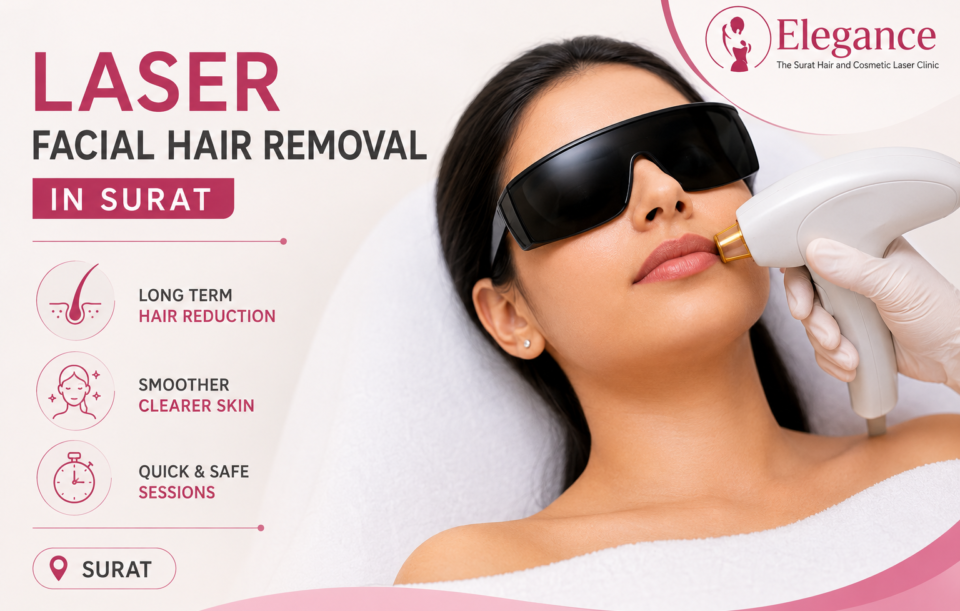
Laser facial hair removal in Surat uses targeted light to reduce unwanted hair on the upper lip, chin, cheeks, and jawline over a course of sessions. It offers long-term reduction, so most people need several treatments plus occasional maintenance. Results are best when the plan is matched to your skin type.
Threading and waxing every few weeks is tiring, and facial hair can dent confidence. Laser offers a longer-lasting alternative, but only if you go in with the right expectations. Here is honestly how it works, what results to expect, and what shapes them.
How Does Laser Facial Hair Removal Work?
Laser facial hair removal works by sending light into the hair follicle, where the pigment absorbs it and converts it to heat that damages the follicle. A damaged follicle grows back finer and slower, or eventually stops. Because the laser targets pigment, it works on hair that is actively growing, which is why several sessions are needed.
It is a reduction treatment, not instant permanent removal. Hair grows in cycles, and each session catches the follicles that are active at that moment, so spacing sessions correctly is part of getting a good result.
Which Facial Areas Can Be Treated?
Most parts of the face respond well, and treatment is tailored to each zone. The table below shows the common areas and a rough guide to sessions. Your exact plan is confirmed during consultation.
| Area | Common concern | Typical approach |
|---|---|---|
| Upper lip | Dark or coarse hair | Quick sessions, spaced a few weeks apart. |
| Chin and jawline | Stubborn, often hormone-linked hair | May need more sessions and maintenance. |
| Cheeks and sideburns | Fine to medium hair | Gentle settings for sensitive skin. |
| Full face | Overall unwanted hair | Combined plan across zones. |
This is offered within the clinic’s laser treatment for beauty service in Surat, with each area planned around your skin and hair type.
Does Laser Really Work on Facial Hair?
Yes, though facial hair needs realistic expectations. Evidence shows laser gives meaningful long-term hair reduction, and a review on laser treatment in hirsutism confirms that lasers such as alexandrite, diode, and Nd:YAG reduce unwanted hair, with the Nd:YAG laser being the recommended choice for very dark skin tones. In practice this matters for Indian skin, where the right laser and settings make the treatment both safer and more effective.
The same evidence is honest that facial hair, especially hormone-driven chin hair, often needs more sessions than areas like the legs, and some maintenance over time. That is normal, not a failure of the treatment.
What Affects Your Results?
Several factors decide how well laser works for you, which is why a consultation beats a one-size plan. Knowing these helps set the right expectations.
- Hair colour: dark hair responds best, since the laser targets pigment; grey or very fine hair responds poorly.
- Skin type: darker skin needs specific lasers and settings, such as Nd:YAG, for safety.
- Hormones: conditions like PCOS can drive chin and jaw hair, so more sessions and maintenance may be needed.
- Session spacing: following the recommended gaps catches hair in its active growth phase.
- Aftercare: sun protection between sessions keeps skin safe and results on track.
Why Choose Elegance Clinic in Surat?
Safe laser results on facial skin depend heavily on the person operating the device, especially for Indian skin tones that need careful settings. At Elegance Clinic in Surat, treatment is led by Dr. Ashutosh Shah, an expert doctor with an M.Ch. in Plastic Surgery and thousands of aesthetic procedures completed, with clinics in Adajan and Vesu. If your concern is more male-pattern facial or body hair, see our guide to laser hair removal for men, or explore the wider face makeover options. Read more on the blog, or book a consultation for a plan matched to your skin.
Medical disclaimer: This article is for general information and education only and is not a substitute for personalised medical advice. Laser results vary by hair colour, skin type, and hormonal factors, and every treatment carries some risk. Always consult a qualified clinician. To plan laser facial hair removal, book a consultation at Elegance Clinic, Surat.
Most people need several sessions spaced a few weeks apart, because hair grows in cycles and each session targets active follicles. Facial hair, especially on the chin, often needs more sessions and occasional maintenance. Your exact number is estimated during consultation based on your hair and skin.
It offers long-term reduction rather than guaranteed permanent removal. Treated hair grows back finer, slower, or stops, but some maintenance sessions may be needed over time, particularly for hormone-driven facial hair. Realistic expectations, set with your clinician, lead to the happiest results.
Yes, when the correct laser and settings are used for darker skin tones. Lasers such as Nd:YAG are preferred for very dark skin to reduce the risk of irritation. This is why expert supervision and a patch test matter more than the device brand alone.
Most people feel a mild snapping or warm sensation rather than real pain, and cooling or numbing cream keeps sessions comfortable. Facial skin is sensitive, so gentle settings are used. Any brief redness usually settles within a day, and aftercare advice is explained beforehand.
Chin and jaw hair is often driven by hormones, for example in PCOS, so it can be more stubborn than hair elsewhere. Laser still reduces it well, but you may need extra sessions and ongoing maintenance. Managing any underlying hormonal cause also helps results last.
It is best to avoid waxing, threading, or plucking between sessions, since these remove the follicle the laser needs to target. Shaving is usually fine. Your clinician gives clear guidance on what to do between appointments so each session works as well as possible.
Category
Latest From Blog
Small Black Warts on Face and Neck: Removal and Recurrence
Can Facial Ageing Be Treated Without Surgery?
Red Veins On The Face: What Causes Them And Which Vascular Laser Fits